
Rare Breed Trigger Explained: How It Works, Legality, and What You Need to Know
A rare breed trigger is a specialized firearm component designed to enable rapid, controlled firing through a unique mechanical reset that occurs during the bolt’s forward travel. Unlike standard triggers, it harnesses the weapon’s recoil cycle to re-engage the sear without requiring the shooter to fully release the trigger. This operation allows for a higher cyclic rate while maintaining a deliberate pull for each rare breed mp5 frt shot, offering users a distinct shooting experience. To use it, one installs the trigger per the manufacturer’s specifications and practices the short, consistent reset motion to achieve reliable function.
What Exactly Is a Rare Breed Trigger and How Does It Differ From Stock Triggers?
A rare breed trigger is a binary-style, drop-in fire control group that uses a sear-based mechanism to fire one round on the trigger pull and a second round on the trigger release, effectively simulating full-auto function without altering the receiver. The key difference from a stock trigger lies in the hammer’s reset and trip geometry: a stock trigger uses a disconnector to reset the hammer after each shot, requiring a full finger release and re-pull for each round, with a standard trigger pull weight of 4.5–6.5 lbs. In contrast, a rare breed trigger eliminates the disconnector’s role during release, instead using a spring-loaded trip lever that catches the hammer on the return stroke, firing instantly when the trigger is let out—and again on the next pull. This creates a two-round burst per single finger motion, with no pull-weight change, and requires the shooter to maintain constant forward pressure on the grip, unlike a stock trigger’s passive reset.
Core Mechanics: Understanding the Drop-In Design and Internal Geometry
The drop-in design of a rare breed trigger eliminates the need for gunsmithing by replacing the entire trigger group as a single cassette, locking into the lower receiver’s pin holes. Internal geometry diverges sharply from mil-spec: the sear surfaces are angled and polished to reduce friction, while the trigger’s curved cam and trip lever interact with the bolt carrier to reset the hammer without a traditional disconnector. This creates a forced-reset cycle where the hammer follows the bolt forward. The geometry also shifts the trigger’s pivot point, shortening the physical travel before release. Subtle changes in sear engagement depth—often just 0.005 inches—dictate whether the trigger runs reliably or doubles. The internal cam profile must match your bolt’s carrier tail, so check that interface first.
- Verify the cassette sits flush against the receiver’s trigger pocket.
- Confirm the trip lever clears the carrier’s cutout during cycling.
- Test the reset by slowly releasing the trigger after each shot.
Comparing Pull Weight, Creep, and Reset Against Factory Components
When comparing a Rare Breed trigger to factory components, pull weight, creep, and reset differences become immediately apparent. Factory triggers typically break between five and seven pounds, while a Rare Breed unit often reduces this to around three to four pounds, requiring less finger force. Creep is the most distinct contrast: stock triggers exhibit a noticeable, gritty take-up before the break, whereas Rare Breed’s sear geometry produces a crisp, near-zero creep wall. Reset distance also shrinks dramatically—factory resets often travel a quarter-inch or more, but Rare Breed offers a short, tactile reset that allows faster follow-up shots without fully releasing the trigger. These mechanical changes alter feel and control, not just speed.
- Measured pull weight on a gauge is roughly 2–3 pounds lighter than mil-spec.
- Creep distance is reduced by 60–80% compared to stock parts.
- Reset travel is shortened to under 0.1 inch, versus 0.2–0.3 inch factory.
- Break character shifts from rolling to a clean, single-stage snap.
Which Firearm Models Are Compatible With This Trigger System?
The Rare Breed trigger, specifically the FRT-15, is engineered primarily for AR-15 pattern firearms utilizing a standard mil-spec lower receiver. Compatibility hinges on the forced reset trigger super safety trigger’s drop-in design, which fits any lower with a standard trigger pocket and .154-inch trigger pin holes. This includes rifles from major manufacturers like Palmetto State Armory, Aero Precision, and Colt, provided they use mil-spec dimensions. While the FRT-15 works in nearly all standard AR-15s, it is not compatible with bullpup designs, pistol-caliber carbines with non-standard fire control groups, or rifles using proprietary trigger mechanisms, such as the SCAR or AR-180B. For the AR-10/LR-308 platform, the FRT-15 is not recommended due to different pin sizes and trigger geometry, requiring a dedicated large-frame trigger model if one exists.
Factory-Fitted Pistols vs. Aftermarket Conversion Kits
When evaluating Factory-Fitted Pistols vs. Aftermarket Conversion Kits for a Rare Breed trigger system, factory-fitted models (e.g., select AR-platform pistols with proprietary lowers) guarantee drop-in geometry, sear alignment, and hammer engagement tolerances out of the box. Aftermarket conversion kits, by contrast, require verifying receiver pocket depth, pin hole spacing, and bolt carrier group mass to prevent trigger reset failure or hammer follow. For pistols with a non-standard fire control group, a kit may demand additional fitting scar frt trigger or replacement of the disconnector. Factory options also preserve warranty coverage, whereas kits often void it if installed improperly.
- Factory-fitted pistols eliminate guesswork for Rare Breed compatibility but limit model choice.
- Aftermarket kits fit more models but require measuring trigger pin diameter and lower shelf contour.
- Conversion kits may need buffer weight changes to cycle reliably with the Rare Breed’s forced-reset action.
- Factory units are test-fired, while kits risk intermittent reset issues on lightweight pistol uppers.
Identifying Your Specific Platform Before Purchasing a Drop-In Unit
Before you commit to a drop-in trigger compatibility check, you must physically verify your firearm’s exact model, generation, and receiver cut. A Rare Breed trigger built for a standard AR-15 lower will not seat correctly in an AR-9 or a mil-spec pistol variant with a different trigger pocket depth. Check the lower receiver’s brand and model markings, then compare them against the trigger’s stated fitment list—do not assume “AR-15” means universal. For Gen 5 Glock-style platforms, the trigger housing pin location shifts, so a drop-in unit for Gen 3 will lock up prematurely. Measure your hammer pin diameter and shelf angle with calipers if you own a non-standard build.
- Confirm your lower receiver’s exact manufacturer and product line, not just the caliber.
- Measure the trigger pocket depth and pin hole spacing against the unit’s spec sheet.
- Verify whether m249s binary trigger your platform uses a standard mil-spec or proprietary safety selector detent.
How to Install a Rare Breed Trigger in Under Fifteen Minutes
To install a Rare Breed trigger in under fifteen minutes, start by dropping your lower receiver’s pivot pin and removing the upper—no need to disassemble the bolt carrier. Push out the rear takedown pin, then pull the hammer and trigger pins with a punch or the included tool, letting the factory fire control group fall out. Set the Rare Breed’s sear and trigger into the pocket, aligning the holes with the receiver’s lugs, and tap in the new pins from the right side. Make sure the trigger’s reset spring sits flush against the receiver wall, or you’ll get a dead trigger. Test the function with the upper off by charging the hammer and pulling the trigger—the FRT should snap back instantly. The trickiest part is keeping the disconnector spring from popping out while you seat the pins, so use a small magnet or your thumb to hold it in place. Reattach the upper, and you’re done.
Step-by-Step Guide to Removing the Slide and Replacing the Trigger Assembly
Begin by ensuring the firearm is unloaded, then press the slide stop lever to release the slide forward. Pull the slide off the frame rails and set it aside. Next, use a punch to drift out the trigger pin and hammer pin, which secure the rare breed trigger assembly within the receiver. Lift the old unit out, then insert the replacement, aligning its pivot holes precisely. Tap the pins back through, ensuring they seat flush. Verify function by cycling the action manually—the slide should return to battery without resistance. Reinstall the slide by seating it on the rails and releasing the stop. Test the trigger reset dry-fire style in a safe direction.
Removing the slide and swapping the trigger assembly takes less than two minutes when you align pins correctly and confirm smooth slide travel afterward.
Common Installation Mistakes That Cause Malfunctions and How to Avoid Them
The most frequent cause of malfunctions after installing a rare breed trigger is an improperly seated trigger pin, which creates binding and a gritty pull. To avoid this, align the receiver holes perfectly before driving the pins, never hammering at an angle. A second common error is failing to reset the hammer hook correctly, leading to a dead trigger; always cycle the action by hand before reassembling the lower. Proper sear engagement timing is also critical—install the disconnector spring in the exact orientation shown, as reversing it causes doubling or hammer follow. Finally, over-torquing the grip screw can warp the trigger housing. Tighten to 15 in-lbs maximum and verify function with a dry-fire test.
What Performance Benefits Can You Expect From Upgrading Your Trigger?
Upgrading to a rare breed trigger delivers a measurable leap in reset speed and shot-to-shot cadence, since its proprietary sear geometry eliminates the sluggish pre-travel found in mil-spec parts. You can expect a dramatically shorter lock time, which translates to tighter groups during rapid firing because the hammer drops before your natural flinch can influence the muzzle. The forced-reset mechanism—where the bolt carrier physically re-engages the trigger—provides consistent, repeatable pull weight across hundreds of rounds, unlike standard triggers that grow gritty with carbon fouling. However, this performance edge demands a firm, deliberate grip, as the rapid cycle can outpace shooters accustomed to manual resets. For practical use, the rare breed’s binary-like function shines in controlled pairs and failure drills, where the shooter’s only job is to hold the sight picture and let the mechanism do the timing work.
Improving Shot Placement Through a Crisper, Shorter Break
A crisper, shorter break from a Rare Breed trigger directly reduces the time your sights drift off target between the initial take-up and the hammer fall. The nearly non-existent creep allows you to maintain a consistent sight picture, as there is no need to stage the trigger or anticipate a long, gritty wall. With the break occurring so rapidly, the muscle contraction required to fire is minimized, preventing the subtle jerking that pulls shots low or to your support side. This predictability means you can time the shot precisely with your natural respiratory pause, leading to tighter groups and more confident follow-up shots. Precision shooting becomes more achievable because the trigger’s abrupt release doesn’t disrupt your established grip pressure, ensuring that point of aim and point of impact align more consistently round after round.
Reducing Fatigue During Range Sessions With a Lighter, Consistent Pull
A lighter, consistent pull from a rare breed trigger directly reduces hand and finger fatigue during extended range sessions because you no longer wrestle a heavy, gritty break on every shot. This reduced trigger fatigue lets you maintain the same grip pressure and sight alignment round after round, instead of subconsciously tensing up in anticipation. A uniform pull weight also prevents the micro-adjustments your muscles make to compensate for an inconsistent sear, which drains stamina fast. Over a 200-round session, that saved energy translates to sharper groups and faster follow-ups, because your hand stays relaxed and responsive rather than cramped or shaky.
- Less finger strain means you can run more drills before grip strength drops.
- A predictable break eliminates the need to re-grip mid-string, preserving endurance.
- Consistent pull weight keeps your forearm muscles from fatiguing on uneven trigger pulls.
- You stay locked into your natural point of aim longer, as your hand doesn’t fight the trigger.
Enhancing Follow-Up Shot Speed With a Faster Reset Design
The core advantage of a Rare Breed trigger in rapid fire is its faster reset design, which dramatically shortens the physical distance your finger must travel to re-engage the sear. By minimizing the reset length and using a stronger, more tactile return spring, the trigger blade snaps forward with greater speed and consistency, allowing you to break follow-up shots with less deliberate finger motion. This reduces the time your trigger finger spends “slack,” directly translating to tighter shot groups during sustained fire. *The perceived reset is often more critical than the raw pull weight, as a tactile and audible click confirms readiness without breaking your firing grip or visual focus.* This mechanical efficiency lets you maintain a rhythmic cadence without the hesitation caused by hunting for the reset point.
Q: How does a faster reset design improve my practical shot cadence?
A: It returns the trigger to its ready position quicker and more predictably, so you can initiate the next shot the instant your sights return to the target, eliminating the wasted time of slowly releasing the trigger to find the reset.
How to Tune and Maintain Your Rare Breed Trigger for Long-Term Reliability

To ensure your rare breed trigger delivers consistent binary-like fire, start by verifying the hammer and trigger engagement surfaces stay free of carbon fouling—use a non-chlorinated solvent and a brass brush on the sear every 300 rounds. Avoid altering the factory spring weights; instead, tune your rare breed trigger by adjusting the over-travel screw only after confirming the disconnect functions crisply. Apply a thin grease—not oil—to the sliding cam and trip lever pivot points, as oil migrates and attracts grit that causes sluggish resets. Always test with snap caps after cleaning, and replace the buffer spring if you notice delayed hammer fall.
The rare breed trigger’s reliability hinges on the tiny sear trip pin staying perfectly aligned; never hammer it or force the trigger forward, as bent pins cause double-fires.
Finally, store the lower with the bolt closed to relieve tension on the disconnector, preserving its geometry for thousands of rounds.
Adjusting Pre-Travel and Overtravel to Your Preferred Feel
Dialing in your Rare Breed trigger begins with adjusting pre-travel and overtravel to your preferred feel, as these two screws define the entire reset and break character. Pre-travel governs the slack before the sear releases; back it out for a shorter, crisper pull, but leave a hair of creep to avoid accidental discharges during rapid fire. Overtravel controls the rearward motion after the break—tighten it until the trigger stops immediately, then back off an eighth turn to prevent hammer follow or binding. The ideal setting is where the trigger resets with a tactile click yet retains zero post-break momentum. Use a feeler gauge to ensure the overtravel screw does not contact the receiver floor, and routinely re-check both screws after every 500 rounds, as vibration from the forced-reset cycle will loosen them. Field-strip and apply blue Loctite to each set screw, then test fire in semi-auto and binary modes to confirm the adjustments hold under live hammer impact.
Cleaning and Lubrication Points: Extending Component Lifespan
To genuinely extend component lifespan in your Rare Breed trigger, focus on the precise friction zones that dictate longevity. After every range session, apply a single drop of high-viscosity lubricant to the sear engagement surfaces and the trigger’s pivot pin—avoid drenching the fire-control pocket, as excess oil attracts carbon grit that accelerates wear. The cam track and reset lever should be wiped clean with a lint-free cloth before re-lubricating, never soaked. A dry-film lubricant on the hammer strut’s contact point reduces galling without pooling. Periodic disassembly every 1,500 rounds allows you to inspect these wear nodes and reapply grease sparingly, ensuring the trigger’s rapid-reset cycle doesn’t grind metal against metal.

- Clean the sear and hammer engagement surfaces with a solvent-soaked swab, then dry completely before oiling.
- Use a micro-applicator for oil on pivot pins and the cam follower, not a spray.
- Reapply a thin layer of lithium grease to the trigger shoe’s sliding channel every cleaning cycle.
- Check for carbon buildup behind the disconnector spring and clear it with compressed air only.
Symptoms of Wear You Should Replace Immediately
Immediate replacement is non-negotiable when you observe symptoms of wear you should replace immediately in your rare breed trigger. If the trigger’s reset becomes sluggish or produces a double-fire, swap the sear and trigger return spring at once. Visible galling, flaking, or a bright polish line on the hammer notch indicates impending sear failure; replace the hammer and sear as a matched set. Cracked or deformed trigger pins, or excessive lateral play between the trigger shoe and receiver, demand instant part replacement. Also, replace the disconnecter if you feel a gritty, grinding sensation during the pull. Do not fire again under these conditions.
- Disassemble and inspect sear engagement surfaces for any shiny, uneven wear spots.
- Replace the entire fire-control group if the trigger blade wobbles or sticks after cleaning.
- Test with snap caps; if reset fails or sounds metallic, replace springs before live use.
Top Questions First-Time Buyers Ask About This Trigger Upgrade
First-time buyers of the Rare Breed trigger almost always ask if the forced-reset function changes their shooting stance—the answer is frt-15l3 yes, since the shoe resets forward so quickly, you’ll want a firmer grip to ride the bump. Another top question: “Will it work in my stock lower?” It fits most AR-15 platforms, but you must check the hammer clearance with a closed trigger guard. The biggest concern is reliability: “What if it doubles?” The binary-like action requires a clean, fully seated disconnecter, so use high-velocity ammo. Q: Do I need a special bolt carrier? A: No, a standard M16-profile BCG works fine. Finally, buyers ask about break-in—expect 100–150 rounds before the sear surfaces polish, and avoid dry-firing to protect the trip lever.
Is It Safe for Daily Carry, or Is It Strictly for Competitive Shooting?
For daily carry, the Rare Breed trigger walks a fine line. Its forced-reset design is snappy and light, which can be a liability under stress if your finger isn’t perfectly disciplined—you might fire more rounds than intended in a defensive scramble. That said, the trigger itself is mechanically reliable and won’t accidentally discharge from holstering, but the high-speed cadence is really built for range work. It’s safe for experienced carriers who train extensively, but for most folks, it’s better left to competition and controlled shooting sessions.
- Practice finger placement regularly to avoid unintentional double-taps in a panic.
- Use a rigid, covered holster to protect the trigger from debris or snags.
- Remember: legalities of forced-reset triggers vary, but safety-wise, rare breed trigger it’s all about your own trigger control.
Will It Void My Firearm’s Warranty or Affect Resale Value?
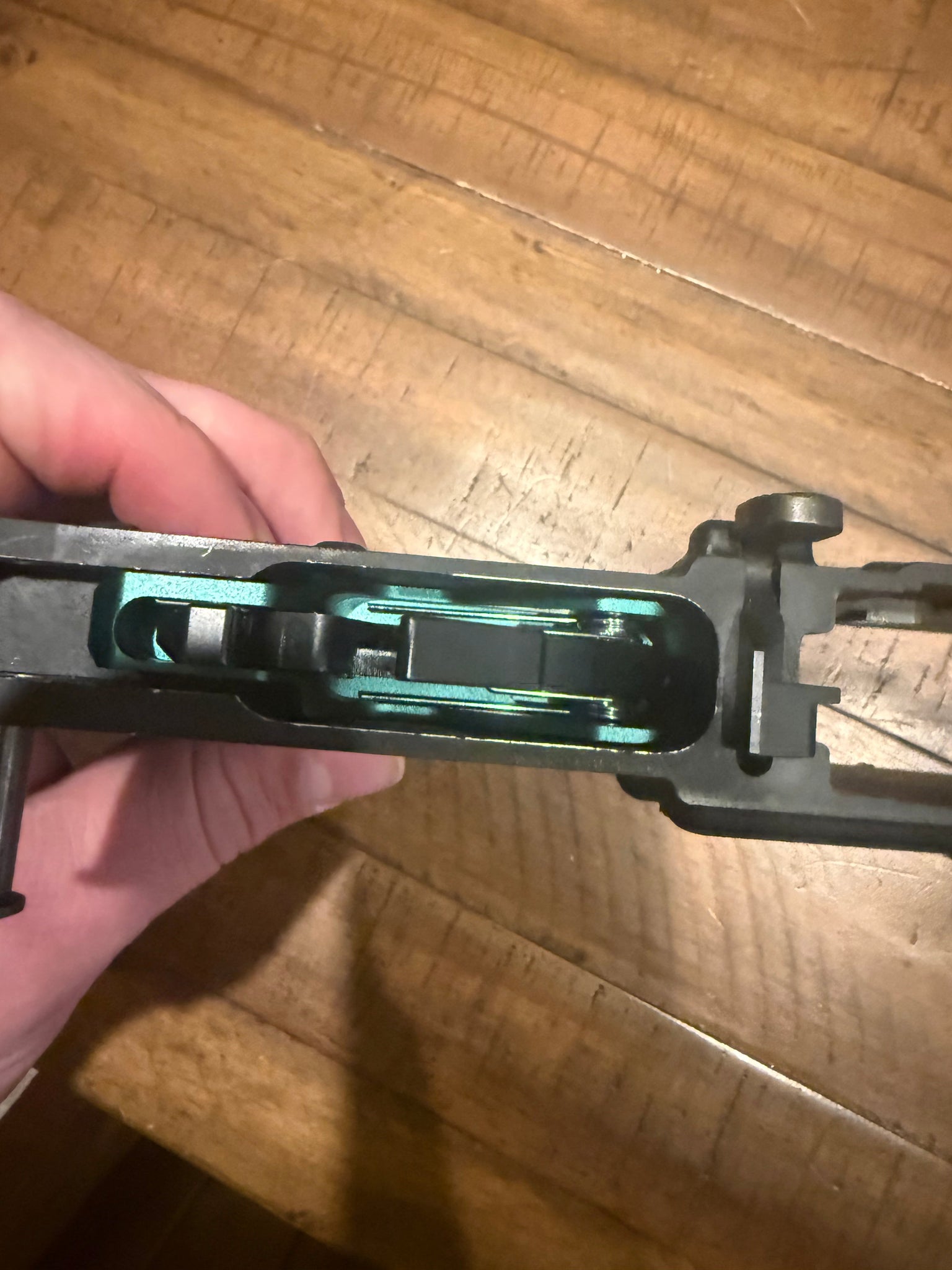
Installing a Rare Breed trigger generally voids the firearm manufacturer’s warranty, since most OEMs exclude liability for damage caused by aftermarket parts. For resale, the impact is conditional: a factory-original gun with its box and paperwork sells faster and at a higher price than one with a swapped trigger, especially among conservative buyers. Retain your original trigger and all factory components, because reinstalling them before a sale restores stock condition and neutralizes most depreciation. Meanwhile, disclosing the upgrade to a private buyer is legally prudent, as hidden modifications can trigger post-sale disputes. The key variable is warranty and resale value trade-off: you sacrifice immediate coverage and potentially 10–20% of used value, but recoup most of that by returning the firearm to its unmodified state. If you lack original parts, expect to price the gun lower than comparable stock models.
Can a Beginner Use It Safely Without Prior Trigger Modification Experience?
Yes, a beginner can use it safely without prior trigger modification experience, provided they follow the manufacturer’s installation video and torque specifications exactly. The Rare Breed trigger’s drop-in design eliminates the need for fitting, filing, or adjusting sear engagement, which is where most novice errors occur. **Safely using a Rare Breed trigger without prior gunsmithing skill** hinges on verifying function with a snap-cap dummy round before live fire, as the reset behavior differs from mil-spec triggers. If you can field-strip an AR-15, you can install this part—no prior modification knowledge is required, only patience and a checklist. The risk is negligible when you confirm the hammer locks back and the trigger resets audibly during dry practice first.